Kraft Paper & Kindness: The 2026 Guide to Gorgeous, Recyclable Gift Wrap
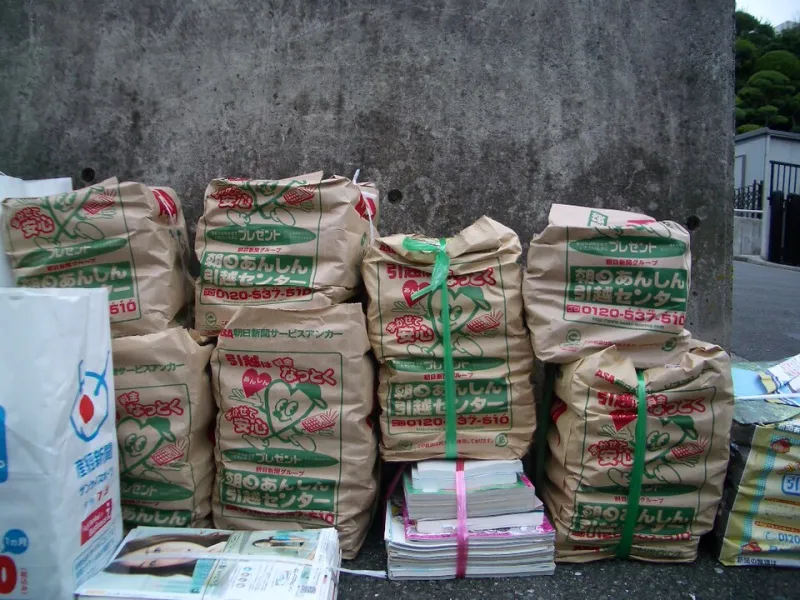
Photo: matt smith, CC BY-SA 2.0, via Wikimedia Commons
Wrapping paper is one of those things we barely think about until the bin bag is full and the living room looks like a craft shop exploded. But here is the thing: you can still have the pretty part. The rustle, the ribbon, the little tag with someone's name in your best handwriting — all of it can stay. In 2026, making your gift wrap recyclable is less about sacrifice and more about swapping the shiny stuff for things that look even better under a warm lamp.
A quick caveat before we begin: recycling rules vary across the UK. What your council accepts in Leeds may not be what is collected in Lewes. Always check your local council's website, especially for paper with tape, foil or heavy printing. But the general principles below will steer you in the right direction.
The 2026 wrapping rules of thumb
- Paper over plastic wherever possible.
- Avoid glitter, foil, metallic finishes and laminated paper. They contaminate recycling batches.
- Use paper tape or minimal tape. If you must use plastic tape, remove it before recycling where you can.
- Reuse first: last year's paper, boxes, ribbons and tags all count.
- Keep it simple. A plain brown parcel with one beautiful ribbon can look more magical than a neon Santa explosion.
The easy swaps list
- Glossy printed paper → recycled kraft paper. It is widely available in UK supermarkets, stationery shops and online, and it takes stamps, ink and twine beautifully.
- Plastic ribbon → paper twine or cotton string. Garden twine is perfect. So is cotton string saved from parcels.
- Glitter tags → plain kraft tags. Write names with a pencil, pen or white gel pen. Add a tiny stamp if you are feeling fancy.
- Foil bows → fabric scraps or dried fruit. A strip of old shirt fabric can become a simple bow. A dried orange slice looks like a tiny stained-glass window.
- Plastic tape → paper tape. Paper tape is recyclable in many areas and blends into kraft paper. Washi tape is pretty but not always recyclable, so use it sparingly or check locally.
- Bubble wrap → scrunched newspaper or fabric offcuts. For fragile items, use newspaper, old fabric, or a tea towel that doubles as part of the gift.
- Foil gift bags → paper bags or furoshiki. A plain paper bag with a twine handle is easy to reuse. Fabric wrapping is even better.
- Shop-bought tags → old Christmas cards. Cut out a rectangle, punch a hole, add string. Instant charm, zero cost.
- Cellophane → tissue paper or nothing. Tissue paper can be recycled in many areas if it is not glittery. Better still, skip the extra layer.
- Plastic holly → real foliage. Rosemary, bay leaves, eucalyptus and dried lavender all look lovely and can go in the food waste or garden bin afterwards.
The brown-paper glow-up tutorial
You need: recycled kraft paper, paper tape, cotton string or paper twine, scissors, a pen, and any embellishments you already own — stamps, dried orange slices, old book pages, a sprig of rosemary, a charity-shop ribbon.
Step 1: Wrap with crisp edges. Cut the paper generously, fold the long edge over first, then the short edges. Use small pieces of paper tape rather than one long strip. Press the folds firmly with your thumb. Crisp corners make even a plain parcel look intentional.
Step 2: Add a band. Cut a strip of contrasting paper — an old map, a page from a damaged book, a piece of wallpaper, or a plain coloured paper strip — and wrap it around the middle of the parcel. Secure with a tiny piece of tape at the back. This is the easiest way to make kraft paper look designed rather than default.
Step 3: Tie, do not tangle. Wrap string around the parcel twice in each direction and tie a simple bow. If you are using fabric ribbon from a charity shop, cut the ends at an angle to stop them fraying. Keep the bow small and neat. You are aiming for 'thoughtful elf', not 'maypole'.
Step 4: Embellish lightly. Tuck a dried orange slice under the string. Add a sprig of rosemary or a cinnamon stick. Stamp the recipient's initial on the paper. Thread a small wooden bead onto the twine. Avoid anything plastic or glittery — the whole point is that the parcel can be recycled or reused without a forensic operation.
Step 5: Make the tag. Cut a tag from an old card, write the name, and tie it on with the same string. If you are giving a donation or an experience, write the details inside a card and wrap a tiny symbolic token — a cinema ticket, a chocolate coin, a printed voucher — so there is something to open.
Step 6: Finish with a bow that can be reused. Fabric ribbon, cotton string and paper twine can all be saved for next year. Keep a small box of wrapping odds and ends. Future you will be grateful.
Furoshiki: the fabric wrap that keeps on giving
Furoshiki is the Japanese art of wrapping gifts in cloth, and it is a brilliant fit for UK gifting. Use a charity-shop scarf, a fabric offcut, a tea towel or a large napkin. Place the gift diagonally in the centre, bring opposite corners together and tie them in a knot. For odd-shaped presents, use two knots or a simple basket-style fold. The wrapping becomes part of the gift: a scarf to wear, a tea towel to use, a square of fabric to repurpose.
If you are new to it, start with a rectangular box and a square scarf. Practise once with a book. Once you have the knack, it is faster than tape and far prettier than a glossy bag.
Charity-shop ribbons and secondhand trims
Charity shops are goldmines for ribbon, lace, buttons and fabric. Wash anything that smells of attic, then store it in a tin. Vintage ribbon can be slightly crumpled, which is part of its charm. Use shoelaces as twine, old lace as a band, or a pretty button as a tag fastener. Just avoid anything that will shed plastic fibres into the recycling bin.
Styling tricks that feel magical
Pick one colour and let kraft paper do the heavy lifting. Add natural textures: dried orange, cinnamon, rosemary, pine cones, eucalyptus. Use a white gel pen to write names in a curly hand. Cluster small gifts in a paper bag with shredded newspaper rather than plastic filler. Use old stamps as stickers. Tie a tiny bell to a ribbon if you want a sound effect. None of this needs to be expensive; it needs to look like you enjoyed it.
What to avoid, and why
Glitter is the big one. It is essentially microplastic and it makes paper unrecyclable. Foil and metallic finishes are also tricky. Laminated paper, plastic ribbon and shiny gift bags usually cannot be recycled in kerbside collections. Even some 'compostable' wraps need industrial composting, so check before you assume. If in doubt, choose plain paper and natural trimmings.
A final flourish
Sustainable wrapping is not about making gifts look worthy or beige. It is about keeping the magic without the microplastic. Brown paper, a bit of string and a handwritten tag can look genuinely lovely — especially when the person opening it knows you thought about the bin bag too. Start a small wrapping kit this year: kraft paper, paper tape, cotton string, a few tags and a box of reused ribbons. Then let the fairy-tale finish do its thing.